How Wildlife Can Damage Roofs, Attics, and Insulation
People seeking wildlife removal often want to prevent damage to roofs, attics, and insulation, and local service providers can help safely remove animals and protect their property.
Understanding how wildlife can damage roofs, attics, and insulation is essential for property owners looking to protect their investments. Animals such as raccoons, squirrels, and birds often seek shelter in attics and roof spaces, which can lead to structural damage, compromised insulation, and even health hazards from droppings and nesting materials. Homeowners in the area may find it particularly relevant to explore this topic if they notice unusual noises, foul odors, or signs of animal activity around their property. Recognizing the potential risks early can help prevent costly repairs and ensure the safety of the home environment.
Local contractors specializing in wildlife removal are equipped to address these issues effectively. They understand how wildlife can damage roofs, attics, and insulation, and can provide solutions to remove animals safely while preventing future intrusions. Connecting with experienced service providers can be a practical step toward safeguarding a property from the ongoing damage caused by unwelcome wildlife. Keep reading to learn more about common signs of wildlife activity and how local experts can help restore and protect your home.
- Wildlife intrusion in attics - when animals like raccoons or squirrels enter roofs and cause damage, local contractors can assess and remove the pests safely.
- Damage to roof shingles and vents - wildlife such as birds or rodents may nest or chew on roofing materials, with local service providers offering repairs and prevention solutions.
- Insulation contamination - animals often nest in insulation, leading to health hazards and energy loss, and local pros can remove and replace affected materials.
- Gaps and entry points in roofing - wildlife can exploit small openings to access attics, and local contractors can seal these vulnerabilities to prevent future damage.
- Structural damage from wildlife activity - persistent animal activity can weaken roof supports and framing, with local specialists providing inspection and repair services.
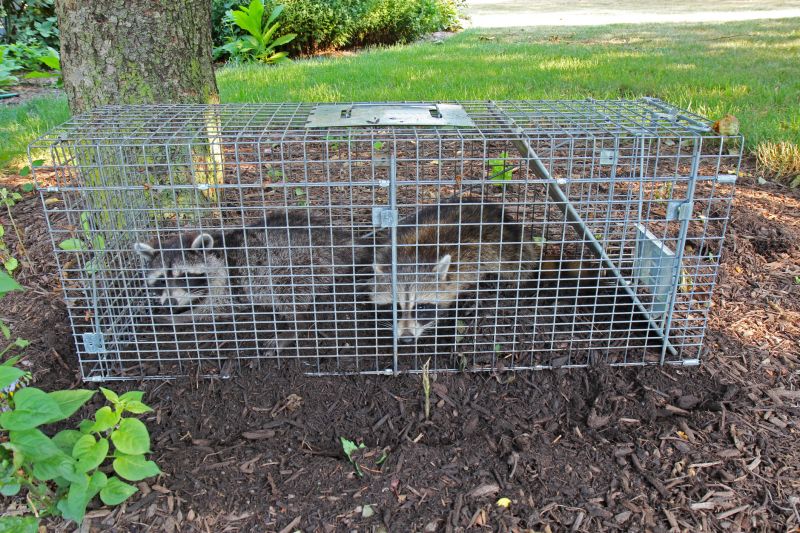
When homeowners search for information about how wildlife can damage roofs, attics, and insulation, they are often concerned about the potential for animals such as raccoons, squirrels, bats, or birds to invade their property. These searches usually stem from noticing signs of animal activity, such as noises in the attic, droppings, or damage to roof vents and shingles. People want to understand the risks involved, including how animals can create entry points, cause structural damage, or compromise the insulation’s effectiveness. This topic connects to ongoing property maintenance plans and the need for wildlife control services to prevent further damage and protect the home’s integrity.
Many problems associated with wildlife damage relate to how animals gain access to the attic or roof space. For instance, squirrels and raccoons often climb onto roofs, finding weak spots or openings to enter the attic. Once inside, they can tear insulation, create nests, and chew through wiring, which might lead to fire hazards. Bats and birds tend to roost in roof eaves or vents, leaving behind droppings that can stain ceilings and cause health concerns. Homeowners may also plan to install barriers or repair entry points, making it important to work with local service providers who specialize in wildlife removal and exclusion to ensure animals are safely removed and cannot return.
Certain types of properties are more susceptible to wildlife damage due to their design, age, or location. Older homes with deteriorating roofing materials or less secure attic vents are common targets for animals seeking shelter. Rural properties, barns, and outbuildings often face higher risks because they are closer to wooded areas or open land where wildlife is abundant. Additionally, homes with large trees nearby or with accessible roof overhangs provide ideal pathways for animals to access the roof and attic space. Identifying these vulnerabilities early can help homeowners plan effective wildlife exclusion strategies with the assistance of local contractors experienced in wildlife damage prevention.
Understanding how wildlife can damage roofs, attics, and insulation highlights the importance of timely intervention. Damage caused by animals can lead to costly repairs, reduced energy efficiency, and health concerns from accumulated droppings or chewed wiring. Local wildlife removal service providers play a key role in safely removing animals, sealing entry points, and restoring the home’s defenses against future intrusions. Homeowners can benefit from consulting with these professionals to evaluate their property’s vulnerability, address existing damage, and implement effective exclusion measures. Properly managing wildlife intrusion helps protect the home’s structure and ensures a safer, more secure living environment.
Gutter Repair and Maintenance - Professionals in gutter services often address damage caused by wildlife, such as nests or debris buildup that can lead to roof and attic issues.
Attic Insulation Installation - Local contractors specializing in insulation can help repair and replace insulation damaged by animals, ensuring proper attic protection.
Roof Leak Repair - Roof repair specialists often handle damage resulting from wildlife intrusion, including holes or structural harm that can lead to leaks.
Pest and Wildlife Proofing - Experts in sealing and securing homes help prevent wildlife from accessing roofs and attics, reducing damage risks.
Vent and Chimney Cap Installation - Installing caps and guards is a common service to prevent wildlife from entering roof openings and causing damage.
Roof Repair and Replacement - Roofing contractors often address extensive damage caused by wildlife, restoring the integrity of the roof structure.
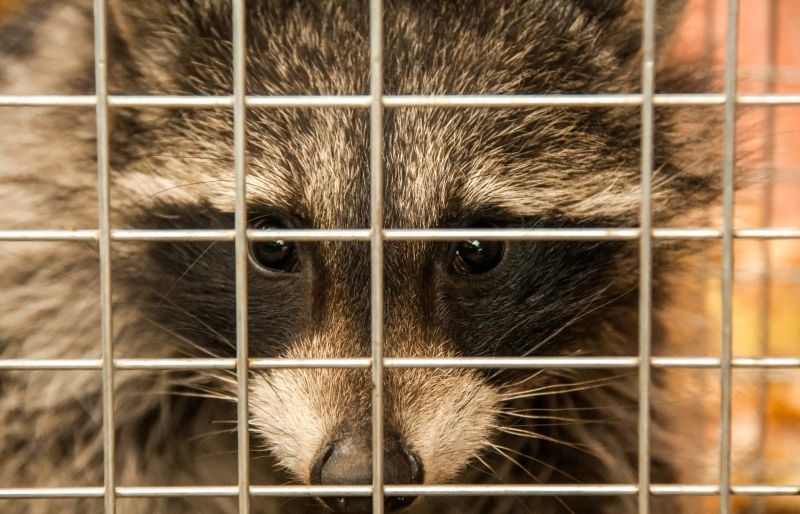
When comparing wildlife removal service providers, it’s important to consider their experience with similar projects involving how wildlife can damage roofs, attics, and insulation. Service providers who have handled wildlife-related damage in homes comparable to yours are more likely to understand the specific challenges involved and offer effective solutions. Asking about their past work or requesting references related to wildlife damage can provide insight into their familiarity with the issues and their ability to address them thoroughly.
Clear written expectations are a key factor when evaluating local contractors for wildlife removal and repair work. A reputable service provider should be able to outline what the job will entail, including inspection, wildlife exclusion, and repairs to prevent future damage. This clarity helps ensure that both parties are aligned on the scope of work and what to expect, reducing the chances of misunderstandings or incomplete projects. It’s beneficial to review any written estimates or descriptions of services to confirm they cover the necessary steps for addressing wildlife damage comprehensively.
Good communication is essential when working with local service providers on wildlife-related issues. Contractors who communicate openly and promptly can better explain the causes of wildlife damage, the recommended solutions, and any potential follow-up steps. Reliable communication also indicates professionalism and a commitment to customer service, which can be especially important when dealing with sensitive repairs or wildlife concerns. When comparing options, consider how easily the contractor responds to questions and whether they provide thorough explanations, as this can influence the overall success of the project.
Property owners often search for how wildlife can damage roofs, attics, and insulation when they are planning practical projects around their homes and businesses. Local pros provide Wildlife Removal services for everyday jobs and straightforward project options.
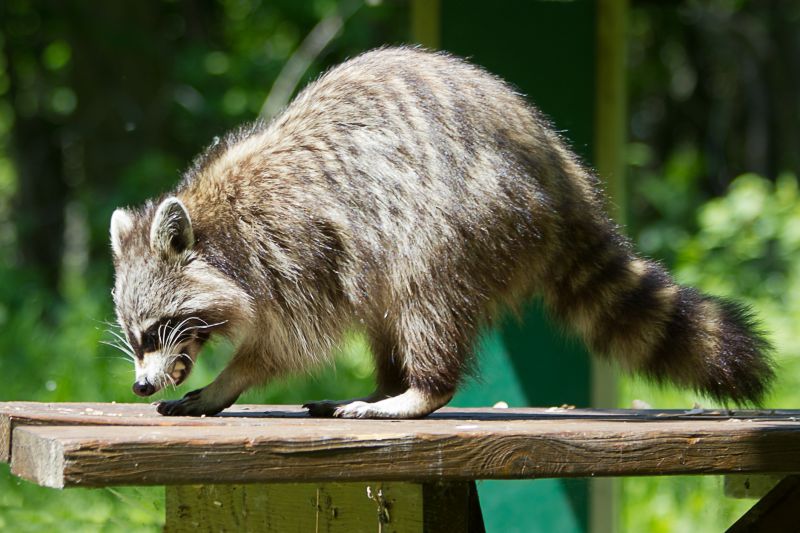
Wildlife can cause significant damage to roofs, attics, and insulation, especially when animals like raccoons, squirrels, or birds find their way into a property. Common issues include gnawed wiring, broken shingles, and holes that allow animals to access attic spaces. These intrusions can lead to structural concerns and may also result in insulation becoming soiled or compressed, reducing its effectiveness. Property owners often look into wildlife removal services when they notice signs such as strange noises, droppings, or damage around their roofline, as addressing these issues promptly can prevent further deterioration.
In many cases, wildlife can inadvertently create vulnerabilities in a building’s exterior, making it easier for animals to enter and cause damage. For example, a small hole or gap in the roof or soffit can become a gateway for wildlife seeking shelter. Once inside, they may build nests or burrow into insulation, which can lead to increased energy costs and potential health hazards. Local contractors specializing in wildlife removal can assess the situation, safely remove any animals, and help seal entry points to prevent future issues, ensuring the integrity of the roof, attic, and insulation are restored.
How can wildlife damage roofs and attics? Wildlife such as raccoons, squirrels, and birds can create holes in roofs and entry points into attics, leading to structural damage and potential safety hazards.
What types of damage can wildlife cause to insulation? Wildlife can tear or displace insulation, reducing its effectiveness and leading to increased energy costs, as well as potential contamination from droppings and nesting materials.
Why is wildlife removal important for protecting roofs and attics? Professional wildlife removal helps eliminate animals that cause damage, preventing further structural issues and safeguarding the integrity of the roof and insulation.
How do wildlife often gain access to roofs and attics? Animals typically enter through gaps, vents, or damaged roof shingles, and local contractors can identify and seal these entry points to prevent future intrusions.
What role do wildlife removal services play in repairing damage? These services not only remove the animals but also assist with repairs to roofing, sealing entry points, and restoring insulation to prevent recurring issues.
Identify entry points - inspecting the roof and attic for gaps or holes can help property owners prepare for wildlife removal services to seal openings and prevent future damage.
Assess insulation damage - examining insulation for signs of nesting or contamination allows property owners to plan for removal and replacement with help from local contractors.
Evaluate roof integrity - checking for chew marks, nests, or debris can guide property owners in coordinating with wildlife removal experts to protect roofing structures.
Implement preventative measures - installing barriers or deterrents recommended by local service providers can reduce the risk of wildlife re-entry and further damage to the roof and attic.
If you are thinking about how wildlife can damage roofs, attics, and insulation for a property, this guide is meant to help you understand this topic, the typical project types, and how different options might fit your plans.
When you are ready, you can use the quote form on this page to share a few details about your project. From there, local pros can review the basics and follow up with options that match what you have in mind.