Seasonal Wildlife Issues Homeowners Should Watch For
Homeowners dealing with seasonal wildlife issues should seek help from local service providers who can safely remove animals and prevent future intrusions.
Homeowners in the area often find that seasonal wildlife issues can pose unexpected challenges throughout the year. As different animals become more active during specific times, property owners may notice signs of intrusion or damage that require attention. Staying informed about these seasonal patterns helps prevent larger problems, such as property damage or health concerns, and ensures that the home remains a safe and comfortable space year-round. Exploring the types of wildlife activity typical for each season can empower property owners to identify early warning signs and take proactive steps, often with the assistance of local contractors who specialize in wildlife removal.
Connecting with experienced local service providers can make addressing seasonal wildlife issues more straightforward and effective. These professionals understand the local wildlife behaviors and can recommend practical solutions to prevent animals from entering or nesting on the property. Whether it’s sealing entry points before critters become active or safely removing animals that have already caused trouble, local contractors offer tailored services that help homeowners manage seasonal wildlife challenges efficiently. Keep reading to learn about specific issues to watch for during each season and how trusted local pros can support property owners in maintaining a wildlife-free home environment.
- Bird nesting season - homeowners may notice increased bird activity around vents and eaves, with local contractors providing removal and exclusion services to prevent nesting inside structures.
- Fall migration - as birds and small mammals seek shelter for winter, local service providers can assist with wildlife proofing and removal efforts.
- Spring emergence - after winter, animals such as raccoons and squirrels may seek entry points, with pros offering inspections and sealing to keep them out.
- Winter rodent activity - rodents often seek warm attics and wall spaces during cold months, and local contractors can help with trapping and exclusion.
- Early summer scouting - homeowners noticing signs of wildlife around the home can contact local pros for early intervention and preventative measures.
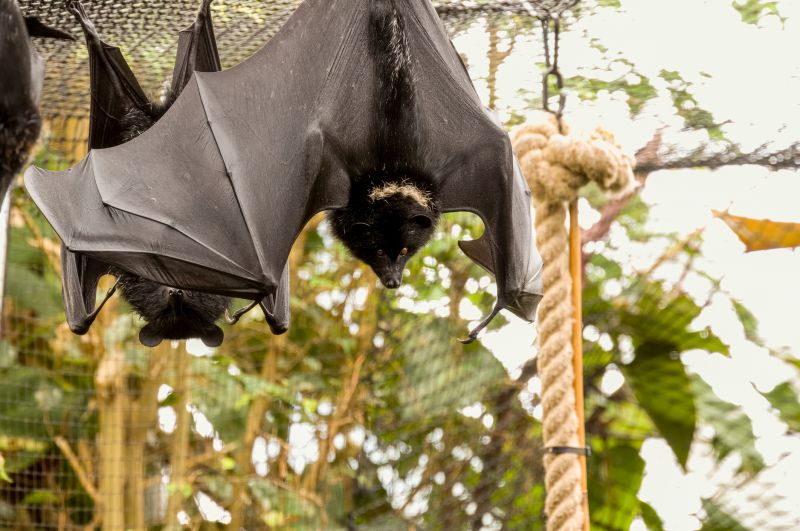
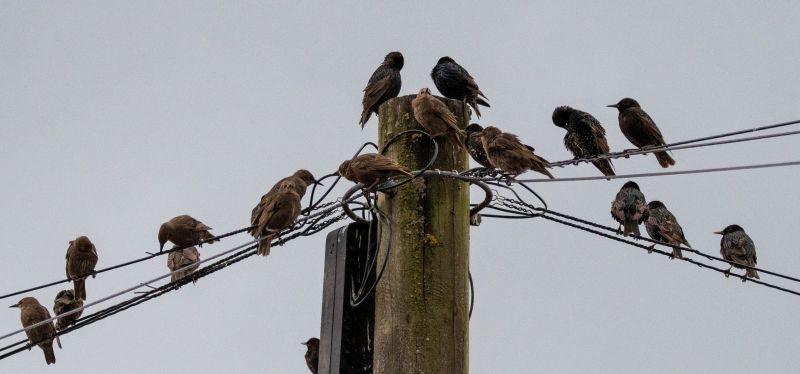
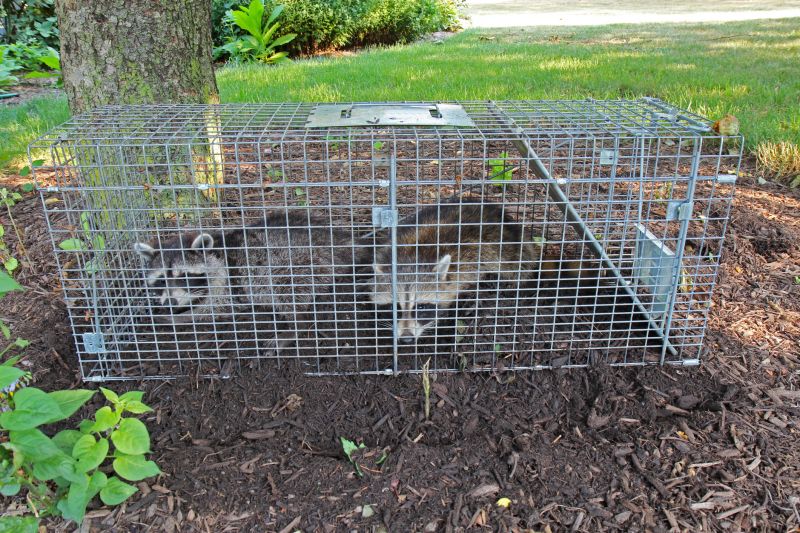
Seasonal wildlife issues homeowners should watch for often relate to the natural behaviors and movement patterns of animals during different times of the year. As seasons change, certain species become more active around homes, seeking food, shelter, or mates. For example, spring and summer can bring an increase in bird nesting, while fall and winter may see animals like raccoons, squirrels, or bats seeking warm, sheltered spaces. Homeowners searching for this topic are typically concerned about animals entering or damaging their property, creating nests in attics or walls, or leaving droppings and debris that can lead to health concerns. Recognizing these seasonal patterns helps homeowners plan proactive measures to prevent or address wildlife-related problems before they escalate.
These seasonal wildlife issues often involve problems such as animals gaining access to attics, chimneys, or wall voids, which can result in property damage or compromised insulation. Nests built in vents, soffits, or eaves can block airflow and cause ventilation issues. Additionally, animals like raccoons, squirrels, or bats may leave droppings that pose health risks or create unpleasant odors. Homeowners may also be concerned about animals chewing wiring or insulation, which can lead to costly repairs or fire hazards. Many plans or projects related to these issues focus on removal, exclusion, and prevention strategies to keep wildlife out of the home while ensuring the property remains secure and protected during vulnerable seasons.
The types of properties most commonly affected by seasonal wildlife issues tend to be single-family homes, especially those with accessible attics, roof spaces, or exterior openings. Homes with mature trees nearby, open vents, or poorly sealed entry points are particularly susceptible to wildlife intrusion. Rural properties or homes near wooded areas are often more prone to encounters with wildlife seeking shelter or food sources. Even urban homes with accessible rooflines or gaps in siding can experience seasonal animal activity. Homeowners in these settings should be especially vigilant during peak activity periods to identify early signs of wildlife presence and consider professional assistance to implement effective exclusion measures.
Local service providers specializing in seasonal wildlife removal play a key role in addressing these issues. They can assess properties to identify entry points and nesting sites, then recommend or implement exclusion techniques to prevent animals from re-entering. These professionals are familiar with the behaviors of different species and can tailor solutions to specific property types and seasonal challenges. By working with experienced contractors, homeowners can ensure that wildlife problems are handled humanely and efficiently, reducing the risk of property damage and health concerns associated with seasonal wildlife activity. Connecting with local experts helps homeowners stay ahead of seasonal wildlife issues and maintain a safe, animal-free home environment.
Bird Control Projects - These projects involve installing bird deterrents and netting to prevent nesting, which relates to seasonal wildlife issues homeowners should watch for during migration periods.
Gutter Protection Installations - Proper gutter systems help prevent animals like squirrels and raccoons from nesting or seeking shelter in roof eaves, addressing common seasonal wildlife concerns.
Attic Insulation and Ventilation - Improving attic ventilation can discourage wildlife from entering and nesting, a key aspect of managing seasonal wildlife issues homeowners should watch for.
Tree Trimming and Branch Removal - Trimming overhanging branches reduces access points for wildlife, aligning with efforts to prevent seasonal intrusions into homes.
Exclusion and Barrier Fencing - Installing barriers around foundations and entry points helps keep critters out during peak migration seasons, addressing seasonal wildlife issues homeowners should watch for.
Rodent Proofing Services - Sealing entry points and installing traps are related projects that help prevent rodent problems linked to seasonal wildlife activity around homes.
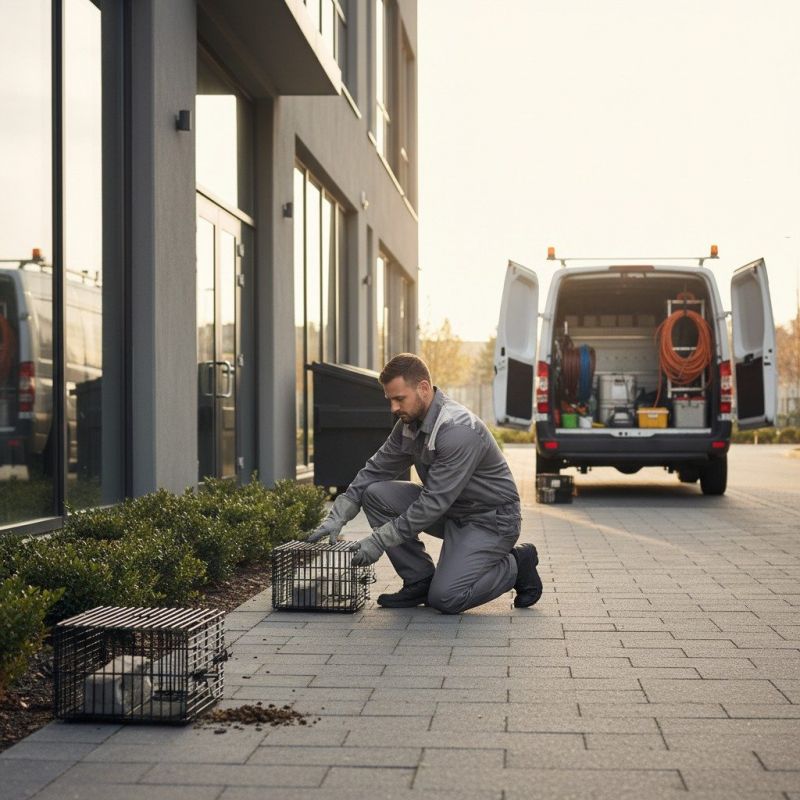
When comparing service providers for seasonal wildlife removal, it is important to consider their experience with similar projects. Homeowners should inquire about how long a local contractor has been handling wildlife issues specific to their region and the types of animals they have successfully managed in the past. An experienced professional will have a better understanding of the seasonal patterns and behaviors of local wildlife, which can lead to more effective and humane removal strategies. This background can also provide reassurance that the contractor is familiar with common challenges and knows how to address them efficiently.
Clear written expectations are essential when evaluating potential service providers. Homeowners should seek detailed information about the scope of work, methods used, and any guarantees or warranties offered. A reputable contractor will be transparent about what their service includes and will communicate the steps involved in addressing seasonal wildlife issues. Having a written outline helps ensure that both parties are aligned on the process and reduces misunderstandings. It also provides a record of what was agreed upon, which can be useful if issues arise later.
Good communication and reputable references are key indicators of a reliable local contractor. Homeowners should ask for references or reviews from previous clients who had similar wildlife issues addressed. Talking to past customers can provide insights into the contractor’s professionalism, responsiveness, and quality of work. Additionally, service providers who are open and clear in their communication-answering questions thoroughly and providing updates-are more likely to deliver a smooth experience. Prioritizing these qualities helps ensure that seasonal wildlife issues are managed effectively and with minimal inconvenience.
Property owners often search for seasonal wildlife issues homeowners should watch for when they are planning practical projects around their homes and businesses. Local pros provide Seasonal Wildlife Removal services for everyday jobs and straightforward project options.
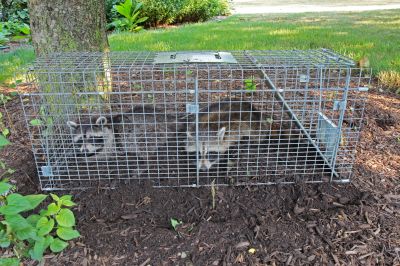
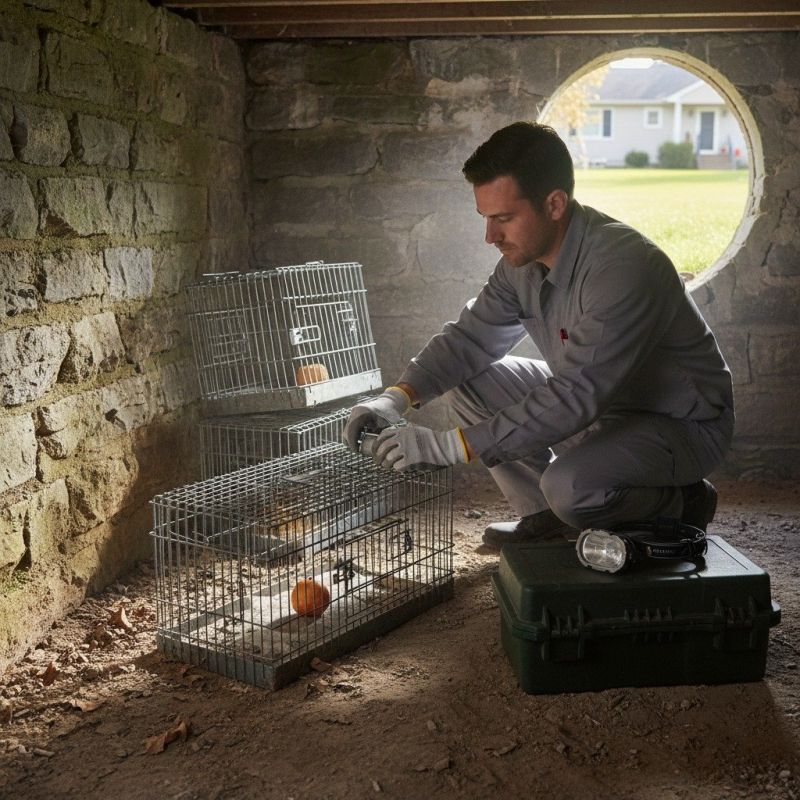
Seasonal wildlife issues homeowners should watch for often become more noticeable during certain times of the year, prompting many to seek professional wildlife removal services. For example, during spring and summer, increased activity from birds, squirrels, and raccoons can lead to nests in attics, chimneys, or wall cavities, potentially causing property damage or health concerns. In fall and winter, animals may seek warmth by entering homes or garages, making it important for property owners to inspect and seal entry points before the colder months arrive. Local contractors specializing in wildlife removal can assess these situations, safely and effectively addressing any unwanted animal presence.
Homeowners in the area might look up this topic when noticing signs like strange noises, droppings, or damage to their property, especially as seasons change. These indicators often signal the need for professional intervention to prevent bigger issues down the line. Seasonal wildlife issues are a common concern for many property owners, and local service providers are equipped to handle everything from humane removal to securing entry points. Connecting with experienced wildlife removal experts can help ensure that seasonal animal activity is managed properly, protecting the home and maintaining a safe living environment.
What are common signs of seasonal wildlife issues homeowners should watch for? Homeowners should look for signs such as droppings, chewed wires or insulation, nests in vents or eaves, and unusual noises in walls or attics, which can indicate wildlife presence.
When do wildlife tend to become most active around homes? Wildlife activity typically increases during spring and fall, as animals seek nesting sites or prepare for hibernation, making these seasons critical for monitoring potential issues.
How can homeowners prevent wildlife from entering their homes during seasonal changes? Regular inspections, sealing entry points, and removing food sources can help prevent wildlife from gaining access as they become more active in different seasons.
What types of wildlife are most likely to cause issues during certain seasons? Rodents, raccoons, squirrels, and bats are common seasonal visitors, often seeking shelter or food sources as temperatures change.
How can local contractors assist with addressing seasonal wildlife issues? They can perform inspections, remove animals safely, and implement exclusion measures to prevent future problems during peak wildlife activity periods.
Inspect attic vents - property owners can schedule inspections with local contractors to identify vulnerable entry points that seasonal wildlife may exploit during migration periods.
Seal gaps and openings - homeowners can work with local service providers to properly seal small openings around the foundation and roof that seasonal wildlife issues homeowners should watch for often target.
Remove attractants - residents can clear away debris, fallen fruit, and food sources from their yard to reduce the likelihood of attracting wildlife during seasonal activity peaks.
Install deterrents - property owners can consider installing humane deterrents or barriers with the help of local pros to discourage wildlife from nesting or roosting on their property.
If you are thinking about seasonal wildlife issues homeowners should watch for for a property, this guide is meant to help you understand this topic, the typical project types, and how different options might fit your plans.
When you are ready, you can use the quote form on this page to share a few details about your project. From there, local pros can review the basics and follow up with options that match what you have in mind.