Identifying Dangerous Snakes on Residential Properties
People seeking to identify dangerous snakes on residential properties can rely on local service providers who specialize in safe snake removal and expert assessment.
Homeowners with residential properties in the area may find it valuable to learn how to identify dangerous snakes that could pose a risk to their families and pets. Recognizing the signs of potentially harmful snakes can help prevent unexpected encounters and ensure a safer outdoor environment. Whether it's understanding common species or knowing which behaviors indicate a threat, being informed is an important step in managing backyard safety. Local contractors who specialize in snake removal are equipped to assist with identifying these reptiles and can provide effective solutions to keep properties secure.
Exploring the topic of identifying dangerous snakes on residential properties can also highlight the importance of professional assistance when needed. Many property owners choose to work with experienced snake removal service providers to handle situations that require expert knowledge or safe removal methods. These local service providers understand the specific types of snakes in the area and can help ensure that any potential hazards are addressed promptly and responsibly. Keep reading to learn practical tips and discover how local pros can support property safety through effective snake identification and removal services.
- Common Projects - Homeowners noticing potential snake sightings in yards often seek local contractors for assistance with identifying dangerous snakes on residential properties.
- Common Projects - When residents find snake skins or tracks, local service providers can help determine if the species poses a threat and advise on safety measures.
- Common Projects - Property owners concerned about snake activity near gardens or outdoor living areas may contact local pros to assess and identify dangerous snakes on residential properties.
- Common Projects - If a snake is found in or around the home, local contractors can evaluate the situation to identify if the snake is venomous and recommend removal strategies.
- Common Projects - People worried about the presence of snakes in their yard can rely on local service providers to identify dangerous snakes on residential properties and provide guidance on prevention.
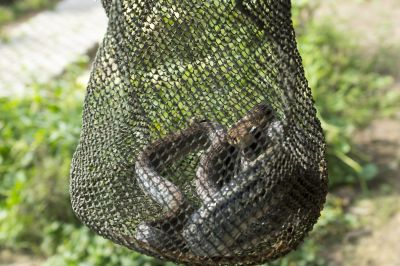
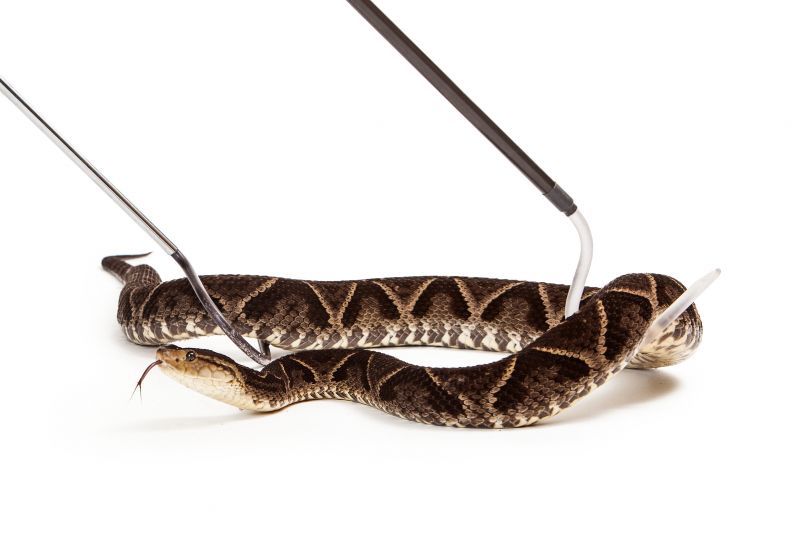

When people search for identifying dangerous snakes on residential properties, they are often concerned about the presence of venomous or potentially harmful snakes that could pose a threat to their household. Homeowners may notice signs such as snake sightings, shed skins, or unusual tracks around their yard, prompting worries about safety-especially if children or pets are part of the household. This search typically reflects a desire to understand which snakes are dangerous, how to recognize them, and what steps to take if a threatening snake is found. It’s a practical concern rooted in wanting to protect loved ones and prevent accidental encounters with potentially venomous species.
The topic relates closely to problems like unwanted snake encounters, property safety, and the need for effective removal or deterrence strategies. Homeowners might be planning to eliminate snake habitats, install barriers, or simply want to identify whether a snake they saw is dangerous. In many cases, the goal is to determine whether a snake is venomous or harmless, which influences the urgency and type of response required. Local contractors who specialize in snake removal can provide the expertise needed to safely handle these situations, whether through humane removal, habitat modification, or advice on how to avoid future encounters.
Properties that typically come up in these discussions include residential yards, gardens, and outdoor living spaces, especially those with natural features like dense shrubbery, woodpiles, or stone walls. Homes located in areas with a native snake population, such as rural, suburban, or semi-wild settings, are more likely to experience encounters. Additionally, properties with lots of hiding spots or food sources, like bird feeders or rodent populations, can attract snakes and increase the chances of dangerous species being present. Recognizing the types of properties most affected helps homeowners understand where to focus their efforts and when to seek professional assistance.
Identifying dangerous snakes on residential properties is a key step in managing the risk of snake encounters. Local snake removal service providers are equipped to help homeowners distinguish between venomous and non-venomous species, often through visual identification or consultation. These professionals can assess property conditions that attract snakes, suggest modifications to reduce habitat suitability, and safely remove any threatening snakes that are found. Engaging experienced service providers ensures that homeowners can address potential dangers effectively, making their outdoor spaces safer and more comfortable for everyone.
Wildlife habitat assessment - professionals evaluate property surroundings to identify potential snake habitats and signs of dangerous snake activity.
Yard and landscape inspection - local contractors examine outdoor spaces to detect features that attract snakes, aiding in prevention efforts.
Rodent control services - since rodents attract snakes, experts focus on pest management to reduce the risk of dangerous snake encounters.
Property perimeter sealing - specialists identify entry points and recommend sealing techniques to prevent snakes from entering residential areas.
Vegetation management - providers assess and clear overgrown areas that may serve as hiding spots for dangerous snakes.
Wildlife exclusion services - experienced contractors implement strategies to safely exclude snakes and other wildlife from residential properties.
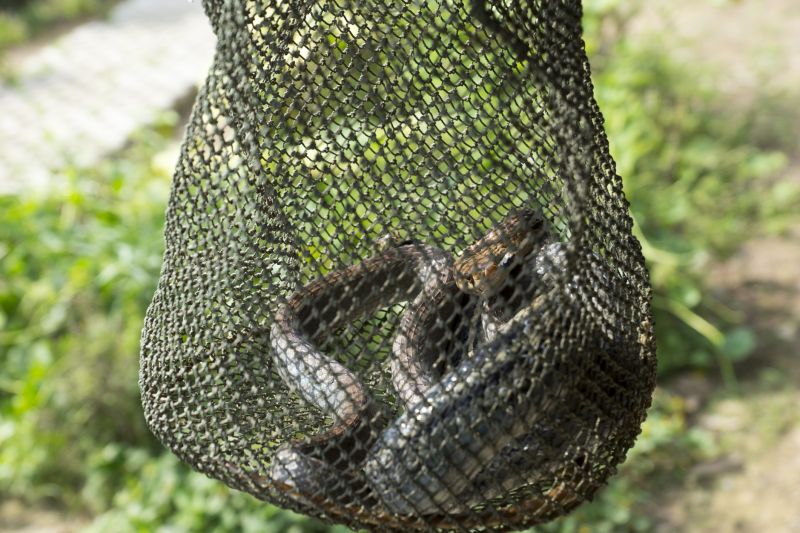
When comparing service providers for identifying dangerous snakes on residential properties and conducting snake removal, it is important to consider their experience with similar projects. A contractor with a proven track record in handling snake identification and removal in residential settings is more likely to understand the nuances of different snake species and the safest methods to manage them. Homeowners should inquire about how long the provider has been working on projects like this and whether they have encountered properties similar in size and layout, as this can influence the effectiveness and safety of the service.
Clear written expectations are essential to ensure that homeowners and service providers are aligned on the scope of work. When evaluating local contractors, it’s helpful to review detailed descriptions of the services offered, including how they identify dangerous snakes, the removal process, and any follow-up steps. Transparent communication about what is included in the service can prevent misunderstandings and ensure that homeowners are aware of what to expect, especially when dealing with potentially hazardous wildlife on their property.
Reputable references and good communication are key indicators of a reliable service provider. Homeowners should seek out contacts or reviews from previous clients who had similar snake identification and removal needs. This feedback can provide insights into the contractor’s professionalism, thoroughness, and ability to communicate clearly throughout the process. Choosing a service provider that maintains open, responsive communication helps ensure that questions are answered and concerns addressed, contributing to a smoother and more confident experience when managing dangerous snakes on a residential property.
Property owners often search for identifying dangerous snakes on residential properties when they are planning practical projects around their homes and businesses. Local pros provide Snake Removal services for everyday jobs and straightforward project options.
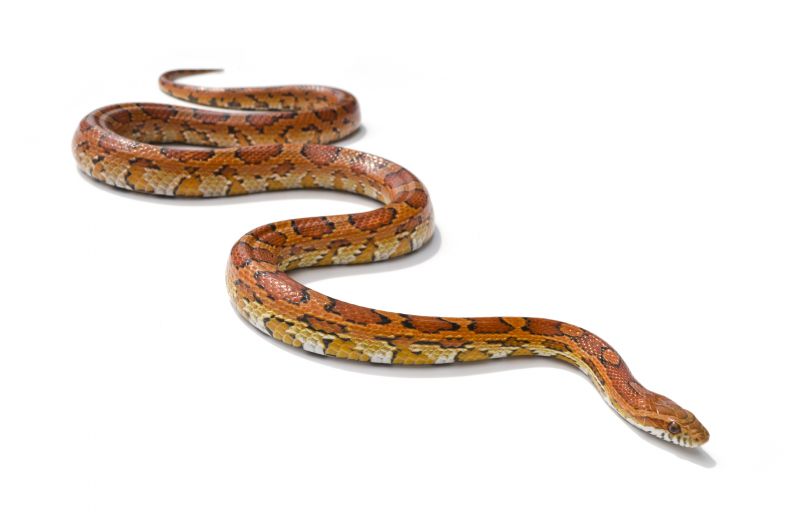
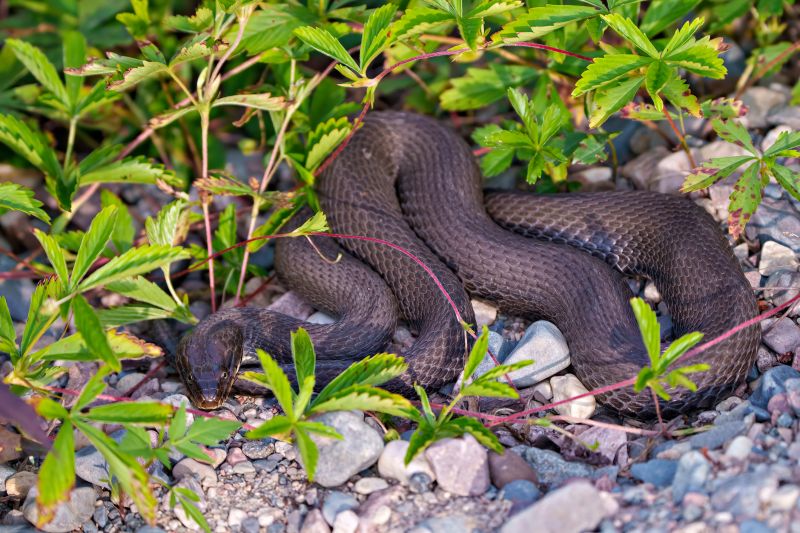
Homeowners often encounter situations on residential properties where they need to determine if a snake poses a danger. Common scenarios include discovering a snake in the yard, near garden beds, or around outdoor storage areas. Recognizing signs of potentially dangerous snakes can help property owners decide when to seek professional assistance. Local contractors who specialize in snake removal can provide expert evaluations and safe removal services, ensuring that any threats are addressed promptly and effectively.
Understanding how to identify dangerous snakes is important for property owners wanting to avoid risky encounters. Features such as specific markings, coloration, and body shape can help distinguish venomous species from non-venomous ones. When in doubt, consulting with experienced snake removal service providers can be a practical step. These professionals are equipped to handle the situation safely and can help property owners manage snake-related concerns on their residential properties.
How can I tell if a snake on my property is dangerous? Local contractors can help identify dangerous snakes based on features like color, pattern, and head shape, reducing uncertainty and ensuring safety.
What are common signs of a dangerous snake on a residential property? Signs include sightings of large or aggressive-looking snakes, shed skins, or snake tracks, which local pros can help interpret for safety.
Are there specific snake species to watch out for in residential areas? Yes, certain species like rattlesnakes or copperheads are considered dangerous; local service providers can identify these and advise on next steps.
How do I distinguish a venomous snake from a non-venomous one? Features such as triangular heads and vertical pupils are typical of venomous snakes; a professional can make accurate identifications on your property.
What should I do if I find a potentially dangerous snake on my property? Contact local snake removal experts who can safely identify and remove the snake, ensuring safety for everyone in the household.
Learn snake habitat signs - property owners can identify areas where dangerous snakes might hide, such as tall grass or woodpiles, to better inform local contractors during inspections.
Recognize snake movement patterns - understanding how snakes move around yards helps homeowners note potential threats and share relevant details with local service providers.
Spot common snake markings - identifying distinctive features of dangerous snakes can assist property owners in alerting local pros to specific species present on the property.
Monitor high-risk zones - observing areas like sheds or dense shrubbery enables homeowners to highlight potential snake hotspots for local contractors to address.
If you are thinking about identifying dangerous snakes on residential properties for a property, this guide is meant to help you understand this topic, the typical project types, and how different options might fit your plans.
When you are ready, you can use the quote form on this page to share a few details about your project. From there, local pros can review the basics and follow up with options that match what you have in mind.