What to Expect During a Professional Wildlife Removal Visit
People seeking wildlife removal often want safe, humane solutions for unwanted animals, and local service providers can handle inspections, removals, and exclusion efforts professionally.
If you're wondering what to expect during a professional wildlife removal visit, you're in the right place. Property owners in the area often seek out these services to address unwanted animal intrusions that can cause damage, create noise, or pose health concerns. Understanding the typical process can help prepare you for a smooth experience and ensure your property is handled with care. Local contractors specializing in wildlife removal follow established procedures to safely and effectively resolve these issues, giving homeowners peace of mind that the job is in capable hands.
During a wildlife removal visit, technicians usually start with an inspection to identify how animals are entering and what damage has occurred. They then develop a plan tailored to your property’s specific situation, which often includes humane removal methods and sealing entry points to prevent future visits. Knowing what to expect during this process can help property owners feel more comfortable and confident in the service being provided. Local service providers focus on efficient, careful work to restore safety and comfort to your home or business without unnecessary disruption.
- Wildlife inspection - when homeowners notice signs of animal activity, local contractors conduct thorough inspections to identify entry points and affected areas.
- Exclusion services - if animals are found inside a property, service providers typically focus on sealing entry points to prevent future visits.
- Remediation and cleanup - after wildlife removal, local pros often handle debris, droppings, and damage caused by animals to restore safety and cleanliness.
- Wildlife trapping - when trapping is necessary, local contractors use humane methods to capture animals safely and efficiently.
- Preventative measures - to reduce the risk of recurrence, service providers may recommend or install barriers and deterrents during a visit.
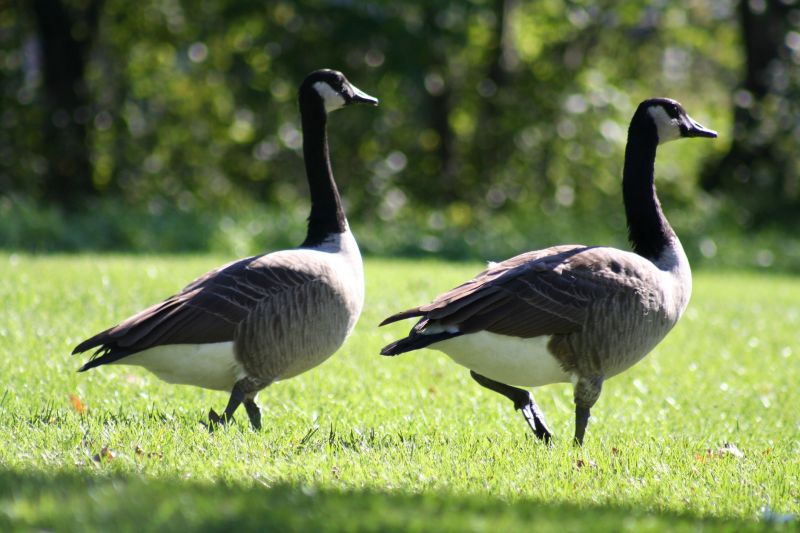
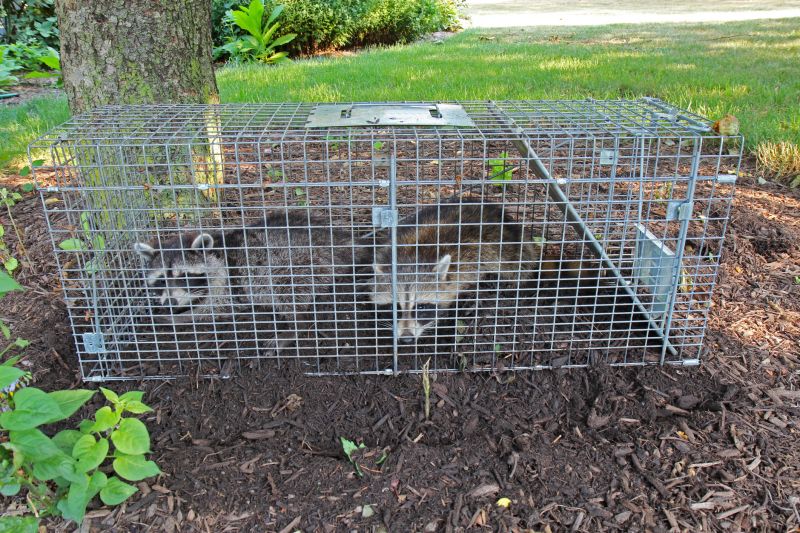
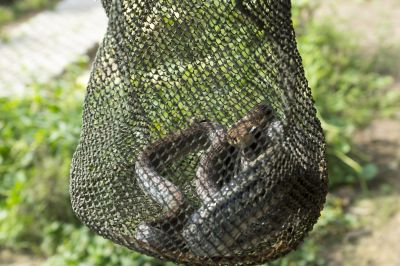
When people search for what to expect during a professional wildlife removal visit, they are usually trying to understand the process involved when a trained service provider comes to address a wildlife issue on their property. This might include animals such as raccoons, squirrels, bats, or birds that have taken up residence in or around a home or business. Homeowners often want to know how the visit will unfold, what kind of work will be involved, and how the animals will be safely and humanely removed. Understanding these details helps reduce uncertainty and prepares property owners for the steps involved in resolving their wildlife conflicts effectively.
Wildlife removal visits typically relate to problems where animals have gained access to the interior or exterior of a property, often causing damage or creating health concerns. These issues may involve animals nesting in attics, occupying wall voids, or roosting in chimneys or vents. Property owners might also plan for wildlife removal when they notice signs like droppings, scratching sounds, or damage to insulation and wiring. Local service providers are experienced in handling these situations, providing a comprehensive approach that includes identifying entry points, trapping or excluding animals, and ensuring that the property is secured against future intrusions.
The types of properties that come up during wildlife removal services are usually residential homes, especially those with accessible attics, roof spaces, or crawl spaces. Commercial buildings, barns, and other structures with open or poorly sealed areas are also common sites for wildlife activity. These properties often have features such as trees close to the building, open vents, or damaged siding that make them vulnerable to animal entry. Local contractors are familiar with the specific challenges posed by different property types and can tailor their methods accordingly, ensuring the removal process is thorough and minimizes disruption.
During a typical wildlife removal visit, property owners can expect the wildlife professional to conduct a detailed inspection of the property to locate entry points and signs of animal activity. The process usually involves setting traps or using exclusion devices to safely capture or drive out the animals. The technician may also perform repairs to seal off access points, preventing future intrusions. Homeowners should anticipate some level of disturbance during the visit, such as the presence of traps or temporary access restrictions, but the focus is on safe, humane removal and securing the property. This helps ensure that the property remains protected and that the wildlife is removed in a manner that adheres to best practices.
Attic Inspection Services - Local contractors often perform detailed attic inspections to identify signs of wildlife activity, which is a key part of what to expect during a professional wildlife removal visit.
Exclusion and Sealing Projects - Professionals use specialized tools to seal entry points and prevent future wildlife intrusions, aligning with the planning involved in wildlife removal visits.
Animal Trapping and Removal - Wildlife control experts handle trapping and humane removal of animals, a core component of what occurs during a wildlife removal service.
Damage Repair and Restoration - Many service providers offer repairs to damage caused by wildlife, which is often discussed as part of the process during a removal visit.
Odor Control Solutions - Local contractors may implement odor elimination techniques to address lingering smells after wildlife removal, related to what to expect during the visit.
Preventative Maintenance - Service providers often advise on ongoing preventative measures to avoid future wildlife issues, which is a common topic during a wildlife removal consultation.
When evaluating wildlife removal service providers, it is important to consider their experience with similar projects. Homeowners should look for local contractors who have a proven track record of handling wildlife issues comparable to their situation. This can include understanding the types of animals involved, the complexity of the removal process, and the specific challenges that might arise during a visit. An experienced service provider is more likely to be familiar with effective techniques and common scenarios, helping to ensure the process goes smoothly and efficiently.
Clear written expectations are essential when choosing a wildlife removal professional. Homeowners should seek service providers who can offer detailed descriptions of what a typical visit entails, including the steps involved in animal removal, exclusion methods, and any follow-up procedures. Having this information in writing helps create a transparent understanding of the process and reduces the likelihood of surprises or misunderstandings. It also provides a basis for comparing different providers and ensuring that the scope of work aligns with individual needs.
Reputable references and good communication are key indicators of a reliable wildlife removal service. Homeowners are encouraged to inquire about references or reviews from previous clients who have had similar issues. This feedback can provide insights into the quality of service and the professionalism of the contractor. Additionally, effective communication-such as prompt responses to questions and clear explanations-can help homeowners feel more confident and informed throughout the process. Choosing a provider who values transparency and maintains open lines of communication can contribute to a more positive experience during a wildlife removal visit.
Property owners often search for what to expect during a professional wildlife removal visit when they are planning practical projects around their homes and businesses. Local pros provide Wildlife Removal services for everyday jobs and straightforward project options.
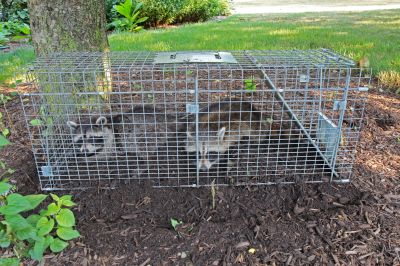
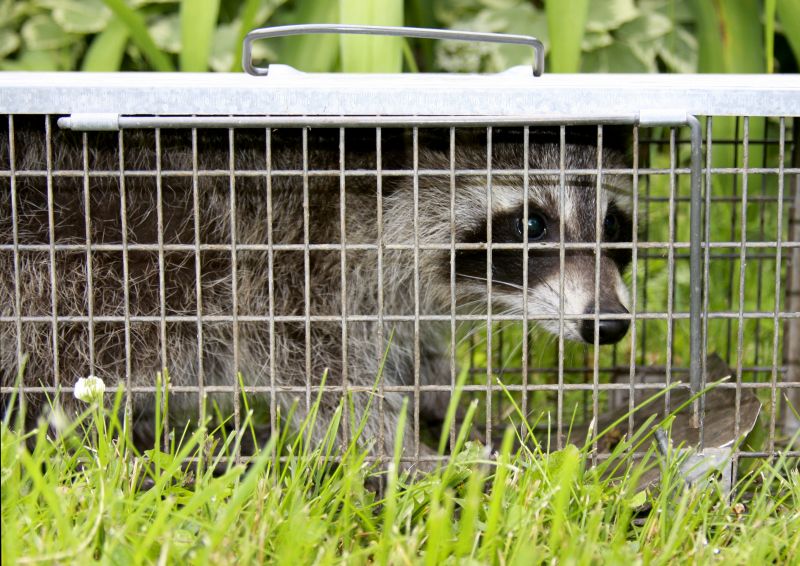
During a professional wildlife removal visit, property owners can expect the service provider to assess the affected areas thoroughly. This typically involves inspecting the property for signs of wildlife activity, such as droppings, damage, or nests. The wildlife removal specialists will identify how animals are gaining entry and determine the best approach to safely and humanely remove them. Many local service providers aim to minimize disruption during the process, ensuring that the property is left clean and secure once the animals are removed.
Property owners often seek wildlife removal services to address issues like noise, odors, or damage caused by animals such as raccoons, squirrels, or bats. During a visit, local contractors will explain the methods used to encourage animals to leave and may implement exclusion techniques to prevent future intrusions. The goal of these visits is to resolve wildlife conflicts efficiently while maintaining the safety of both the animals and the property, helping owners restore peace of mind and protect their homes from further issues.
What should I expect during a professional wildlife removal visit? During a wildlife removal visit, local service providers typically assess the affected area, identify entry points, and determine the best removal methods. They may also inspect for signs of damage or nesting sites to plan effective exclusion measures.
Will the wildlife removal process be disruptive or messy? Professionals aim to perform the removal efficiently and with minimal disturbance. They usually take steps to contain debris and prevent further mess, ensuring the area is left as clean as possible after the work is completed.
How do wildlife removal experts handle the animals during a visit? Local contractors often use humane techniques to safely capture and remove wildlife. They prioritize animal safety and ensure that the animals are relocated or handled according to best practices.
What kind of areas do wildlife removal services typically inspect during a visit? Service providers generally examine roofs, attics, walls, chimneys, and other potential entry points or nesting areas to address the source of the wildlife problem effectively.
What happens after the wildlife removal visit is complete? After the removal, local pros usually seal entry points, recommend preventative measures, and may provide advice on how to deter future wildlife intrusions to protect the property.
Inspection process - Property owners can expect local contractors to carefully assess the property to identify wildlife entry points and nesting areas.
Explanation of techniques - Wildlife removal services typically clarify the methods they will use to humanely remove animals and prevent future intrusions.
Work area preparation - Property owners might need to prepare specific areas or clear obstructions to facilitate safe and effective wildlife removal.
Post-removal guidance - Local pros often provide advice on sealing entry points and maintaining property defenses to avoid recurring wildlife issues.
If you are thinking about what to expect during a professional wildlife removal visit for a property, this guide is meant to help you understand this topic, the typical project types, and how different options might fit your plans.
When you are ready, you can use the quote form on this page to share a few details about your project. From there, local pros can review the basics and follow up with options that match what you have in mind.